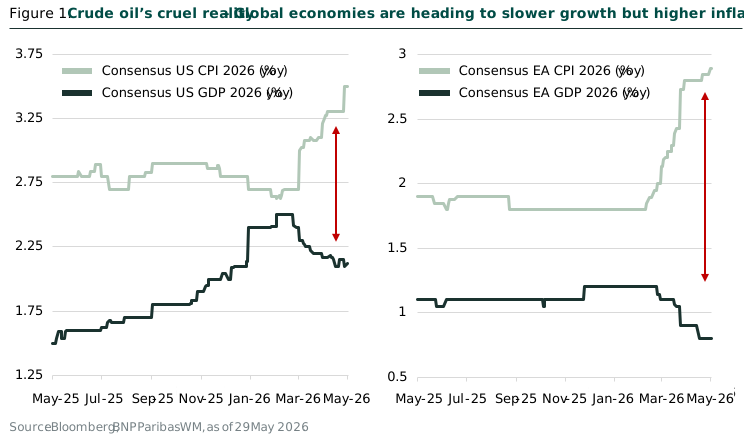
Despite the energy disruption, major economies are showing unexpected resilience, particularly across business sectors, though consumer sentiment is weakening in energy-vulnerable regions such as Europe and Asia. We anticipate a gradual de-escalation of the Middle East conflict in the coming weeks, driven by political pressure surrounding the upcoming US mid-term elections and the risk that Iran could be forced to halt energy production.
While global economic growth will likely slow this year, a recession would be avoided, and fiscal measures should keep global growth relatively stable. Inflation remains the primary concern. It is driven by conflict-related infrastructure damage, alongside ongoing supply chain constraints, and surging energy prices have elevated inflation globally, including in the US.
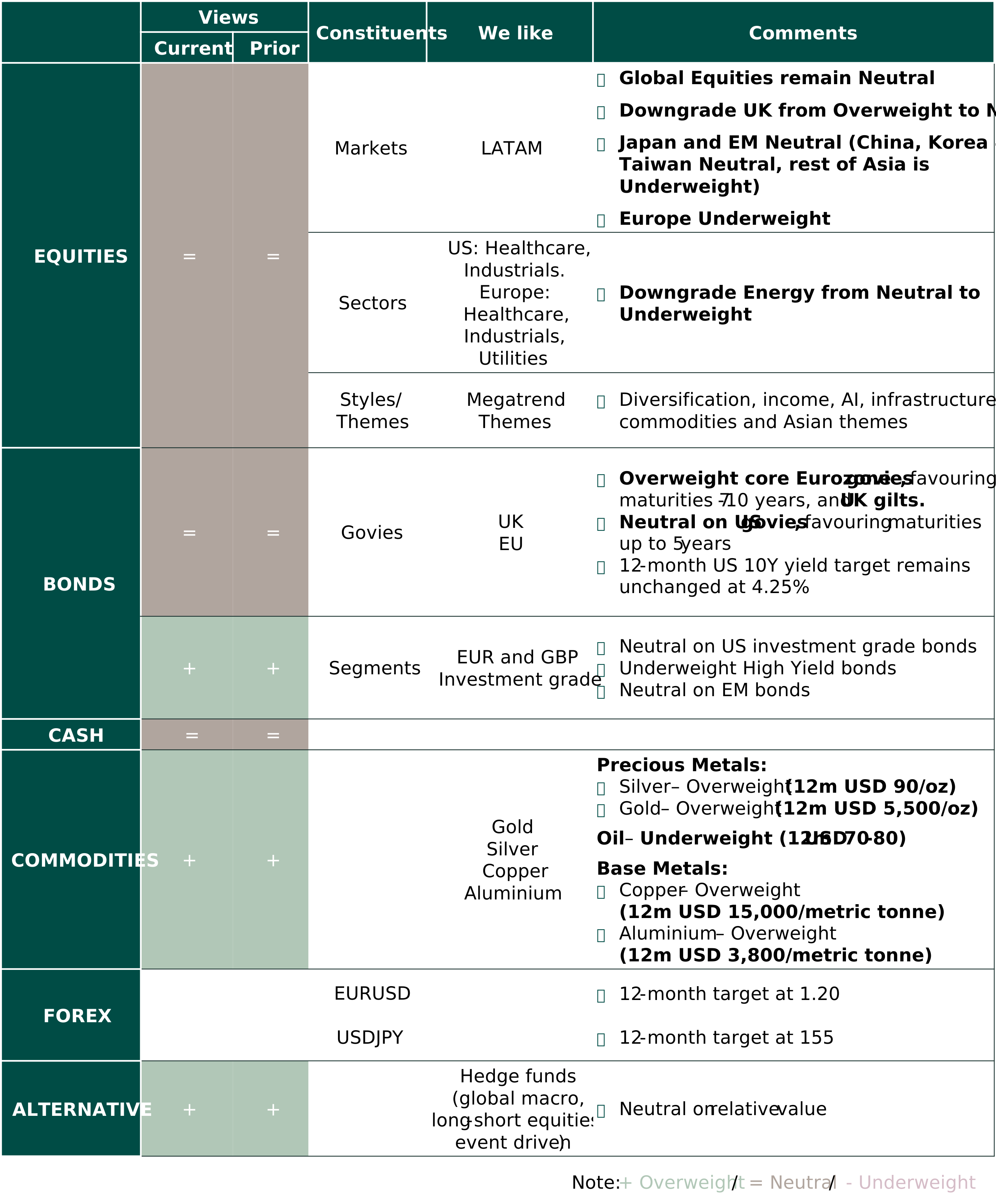
With the conflict de-escalation and a weakening of economic activity possibly in sight, we assume that companies will be less able to pass recent cost increases on to final prices. This should contain second-round inflation effects, keeping the rise in core inflation modest in both magnitude and duration. Consequently, central banks are likely to act prudently. We expect the Fed to keep rates on hold this year, while we now forecast one rate hike in June from the European Central Bank (ECB) and one hike in July from the Bank of England (BoE).